In Ovo: Standards for Global Operations
“We can do more with the software than we initially thought. We started with troubleshooting for a single component, the sampler. Now it includes the quality system, checklists, maintenance, and start-up procedures.”
“For us, ELICIT is truly the definitive handbook containing everything.”
Rob van Hemert
Operations Director at In Ovo
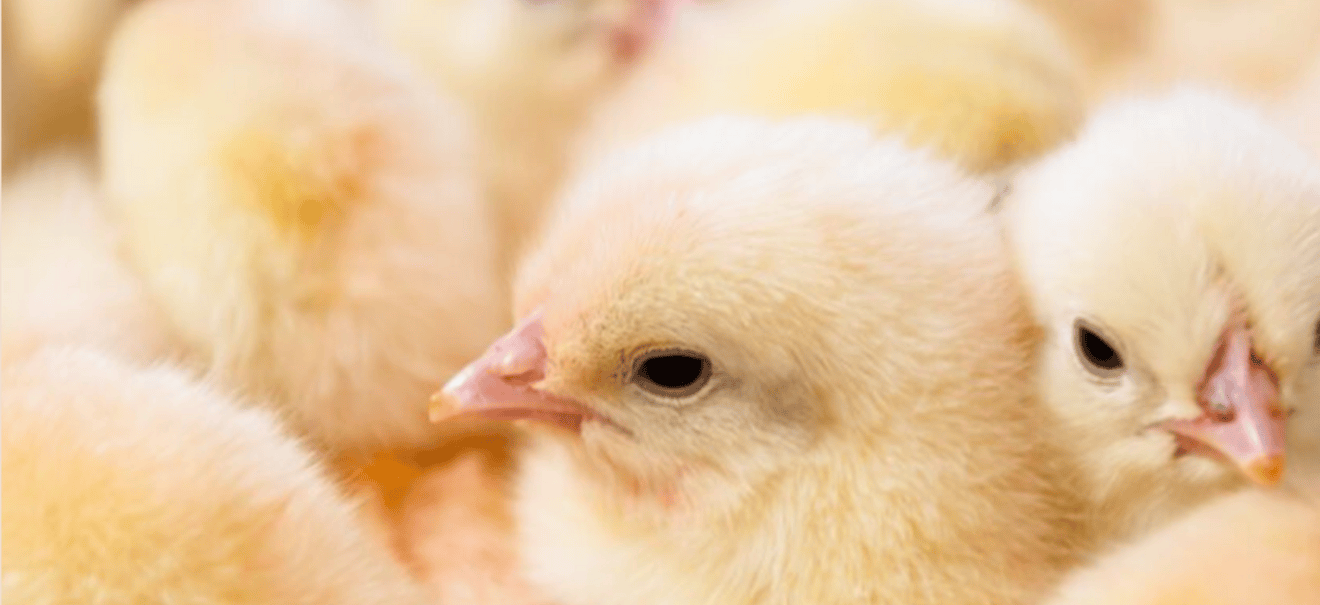
In Ovo is a pioneer in the field of in-ovo sexing. After years of research, the company developed the Ella machine line. This technology can determine the sex of fertilized chicken eggs early in the incubation process. This allows Ella to remove eggs that would result in a male chick from the process at an early stage. In doing so, In Ovo prevents the destruction of live male chicks, which is still common practice in the poultry industry.
Lack of Clarity Without a Standard Operating Procedure
When the Ella machine line was launched, In Ovo had not yet established training standards or standard operating procedures. Malfunctions and deviations were tracked in Excel. Furthermore, In Ovo continuously develops the machine line, meaning the procedures at the line change frequently.
At the same time, In Ovo intends to deploy the machine line globally, making a standard operating procedure a necessity.
In Ovo operates in a rapidly changing RD and production environment where standardization is indispensable. To document this and secure it within the process, In Ovo engaged TWI company and ELICIT.
Through the TWI methodology, an operator is prepared to perform their tasks flawlessly on the shop floor. ELICIT comes into play for process control and handling deviations. Both methods complement each other well.
Targeted Standardization in Training and Procedures
“We needed standardization to ensure production could run efficiently. We are talking about training standards and process control, but also quality assurance and maintenance,” says Rob van Hemert, Operations Director at In Ovo.
TWI – Training Standards
At In Ovo, TWI company relieved operators and engineers by documenting the actions and tasks for ‘Ella’ and taking over the training. The TWI method breaks down activities into manageable tasks, where the best way of working—the standard—is recorded in a training standard. This is the standard that will be used for all future training for that task. This makes the onboarding process structured, faster, more efficient, and safer.
“This allows an operator to work flawlessly on the line in a short amount of time.”
After establishing the foundation, TWI company trained the In Ovo team so they could write training standards, conduct training, and perform audits themselves using this method. This has significantly reduced onboarding time. Additionally, there is now a standardized and ready-to-use onboarding plan that can be used when rolling out the line to other locations.
With TWI training standards, it no longer matters which (TWI) trainer trains an operator. The content and quality of the training are always the same. Furthermore, securing the method within the organization plays a crucial role. This was achieved by coaching a TWI coordinator. “Training is faster and simpler,” Van Hemert confirms.
ELICIT – Process Monitoring and Adjustment
ELICIT subsequently captured the experiential knowledge of experienced operators and technologists. This was done through structured interviews where the core of the process, process monitoring, and instructions for control and adjustment were documented. This provides operators with quick insight into the machine’s operation. In ELICIT, In Ovo also records all malfunctions, and operators can find the procedures they must follow during a breakdown. All of In Ovo’s training standards are provided to the trained trainers via ELICIT.
In Ovo can easily record production deviations using the ‘forms’ functionality. “In terms of continuous improvement, we can do much more with it in the future. It is a great system. We can make it as extensive as we want,” says Van Hemert. Through the automatic translation functionality, standards, instructions, and forms are available in multiple languages.
Van Hemert: “We can do more with the software than we thought. We started with troubleshooting for one component, the sampler. Now the quality system, checklists, maintenance, and start-up procedures are all included.”
Continuous Assurance
The knowledge files and training standards change continuously due to the ongoing development of the machine. In Ovo can implement these changes themselves. “We secure that well internally,” says Van Hemert. “Operators use suggestions within the knowledge file to indicate when a file needs to be modified. Once the file owner approves it, the operator automatically receives a notification that a different procedure is in place. Recording problems and malfunctions provides more control over quality management and performance.”
Results: Operating at the Same High Level Worldwide
With the combination of training and auditing using the TWI method and ELICIT knowledge files, In Ovo can better manage, control, and further develop the machine line. With TWI and ELICIT, all employees on the line are capable of running the machine optimally, and our engineers can further optimize the machines and start up new locations.
Standardization is essential to In Ovo’s success. Van Hemert: “Ultimately, we want to be able to deploy the machine line anywhere, including standard instructions. This ensures that operators there do exactly what we have designed and do not deviate from it.”
By documenting problems and malfunctions, In Ovo has gained more control over quality management and performance. It enables the company to do more in the area of continuous improvement. Van Hemert: “That is the step needed to go from 95% to 100% efficiency in the process and reach a world-class level. And that is what we want.”