
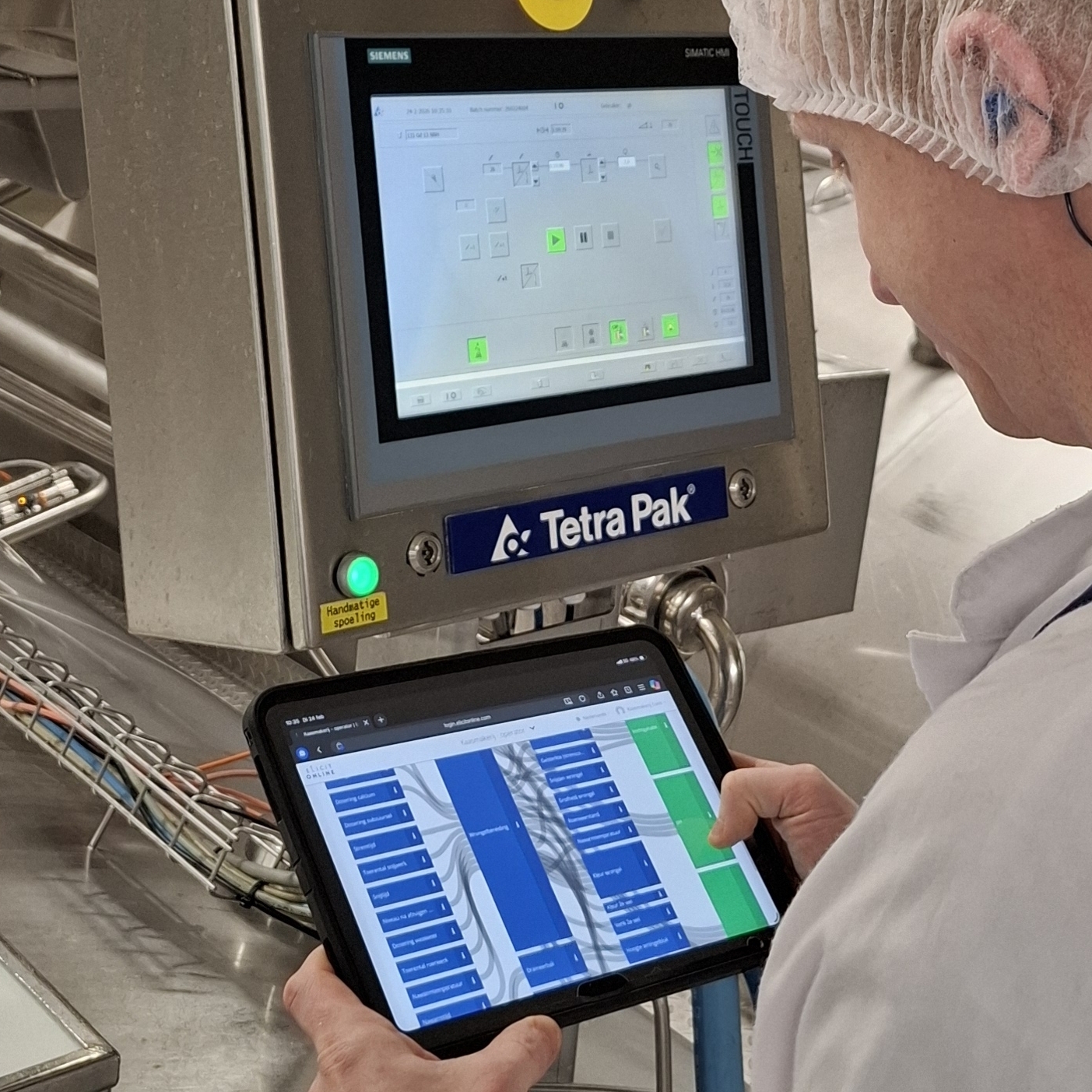
Your operators are skeptical about ELICIT. And here is why that is a good sign
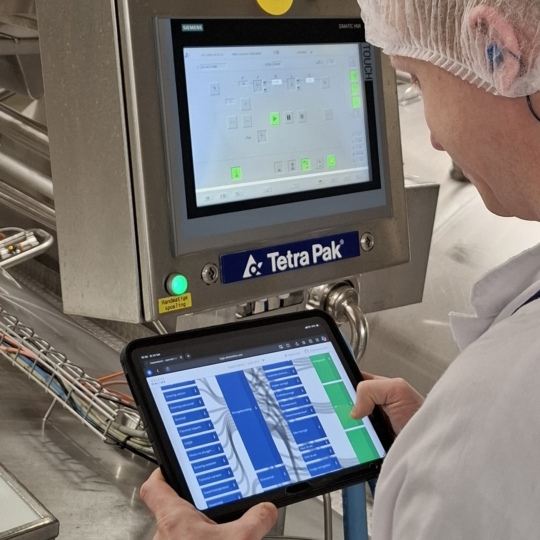
When you introduce a new system on the shop floor as a production manager or team leader, there is often resistance. And you should be very pleased about that. It is, in fact, a sign that your people are thinking and are engaged. You can utilize that for a successful implementation. How do you approach this? We explain it here.
What lies behind the resistance
When an operator has been running a machine for twenty years, they possess knowledge that no one else has. They have made mistakes and learned from them, listened to experienced colleagues, and can see and feel deviations coming before younger colleagues even notice them.
When a team leader says at such a moment, “We are going to capture your knowledge in a system,” many operators hear something else. They hear: “We are going to make you replaceable.” Or worse: “Your way of working is not good.”
That is not what you mean, but it is how it can feel. Additionally, there is a practical fear: yet another system. Yet another screen to click through while the line is running. They already have enough to do. And that is true.
The difference between documenting and recognizing
The turning point lies in the message you convey as a manager or team leader during the implementation of ELICIT.
The question “Can you tell us how you do this?” is fundamentally different from “We are going to document what needs to happen.” The first question recognizes expertise. The second implies that this expertise is interchangeable with a procedure.
Operators who are actively involved in capturing their own knowledge—as interviewed experts rather than passive users—become the greatest ambassadors for ELICIT. Because they recognize themselves in it. Their approach, their logic, their solutions.
An operator at a food manufacturer put it this way: “At first, I thought they wanted to automate my job. But when I saw what was in the system, I thought: this is just how I do it. Only now, everyone can see it.”
“At first, I thought they wanted to automate my job. But when I saw what was in the system, I thought: this is just how I do it. Only now, everyone can see it.”
How to approach the introduction
Turning resistance around is a series of small, concrete choices in how you organize the process. At ELICIT, we do it this way:
How to approach the introduction
Before the knowledge file is presented to operators, a meeting first takes place with their supervisors. They communicate themselves why the project was started and what their role is in encouraging usage. This way, the supervisor stands alongside the team, not opposite them.
Involve the most experienced operator
When the skeptic sees that their colleague—the man or woman who has been on the line for thirty years—is taken seriously as a source of knowledge, the tone of the conversation changes. In practice, sessions are organized so that the most experienced expert is interviewed first and validates last.
Let the initial results speak for themselves
As soon as a new colleague resolves a malfunction without having to call the expert, and that expert sees it, the perception shifts. Not “my knowledge has been stolen,” but “my knowledge now works even when I am not there.”
Give operators a say in the content
Errors in the system—and there are always some at the beginning—are not a problem as long as the expert can correct them themselves via the suggestion function. That sense of ownership is the core of adoption.
Be honest about the ‘why’
Operators see right through vague management speak. If the reason is that a senior employee is retiring in two years and you do not want to lose their knowledge, just say so. That is a reason people respect.
“The young operators still in training saw the added value. The more experienced operators followed later.”
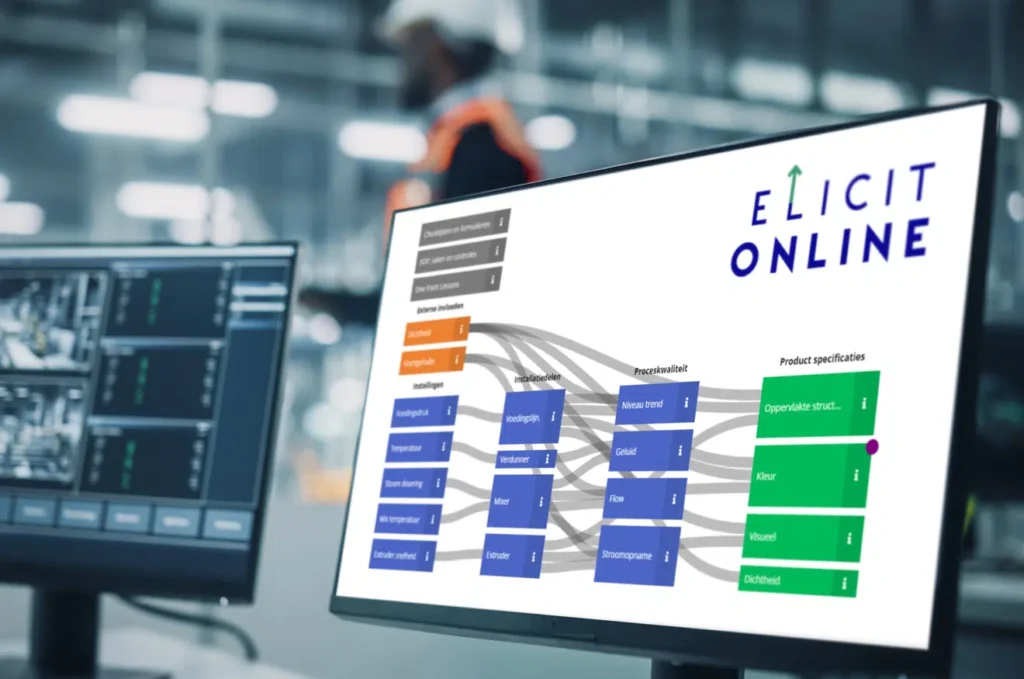
CONO Kaasmakers used ELICIT to capture more than 50 years of cheesemaking knowledge. Read how the shop floor embraced the model step by step.
The weeks following the go-live are crucial
The presentation is only the beginning. The first few weeks after the go-live determine whether the system sticks. That is why we work with an evaluation team during implementation: someone who actively drives usage, a contact person for questions, and someone who monitors progress.
Weekly consultation moments in the first few weeks, whether or not combined with existing team meetings, keep users engaged. They also provide space to say out loud what is not working. Because that feedback is exactly what makes the system better.
Show, don’t tell
Skepticism does not disappear by convincing with beautiful words. It disappears by showing, in practice, on the shop floor, with real results. The operators who start out most skeptical often become the most engaged users. But you must treat them as experts from the very beginning.
Interested in an introductory meeting?
Curious how other production companies have approached adoption? Request a demo and see what the knowledge system looks like from the operator’s perspective.