Are your new operators still not independent after 6 months? Here is how to solve it
Your best operator is constantly interrupted by new colleagues. The same questions, the same explanations. Every single time. He no longer gets to his own work and, even worse, the new operators remain dependent on him. How does this happen? And how can you train operators to become independent? We explain.
Training operators: why ‘shadowing’ often does not work
In most manufacturing companies, operator training works as follows: a few weeks of safety and basic procedures, followed by months of shadowing experienced operators, and then working independently under supervision. Unfortunately, this often does not lead to the desired level of proficiency. After months, they know the standard procedures, but for every deviation or non-standard situation, they call for help. This is because shadowing only teaches them the procedures.
They see what the expert does: “He adjusts the setting.” They do not see why:
“Because this raw material reacts differently than the previous one.” They see what happens: “He resolves the malfunction in 2 minutes.” They do not see how he knew what to do: “He recognized the pattern through the combination of sound + temperature + timing.”
What is missing
What is missing is decision logic. Decision logic arises from understanding the context to make independent decisions:
- When do you deviate from the standard?
- Which signals indicate that you need to intervene?
- Do you know what constitutes a major or minor problem?
- In which situation does solution A work versus solution B?
That context is not learned in training. It is learned through experience—by encountering hundreds of situations and recognizing patterns. Or, by having access to the expertise of someone who has already experienced it.
How they solved it: Lemoine Holland
Lemoine Holland, a manufacturer of hygiene products, gathered expert knowledge and decision logic regarding their non-woven lines from various departments. Through 3 to 5 interviews with the most experienced experts, they made explicit:
- Within which frameworks you need to make adjustments
- With what step size (5°C)
- What the effect is (5°C results in 0.5 mm more fleece thickness)
- The limits (min/max 10 degrees around the recipe value)
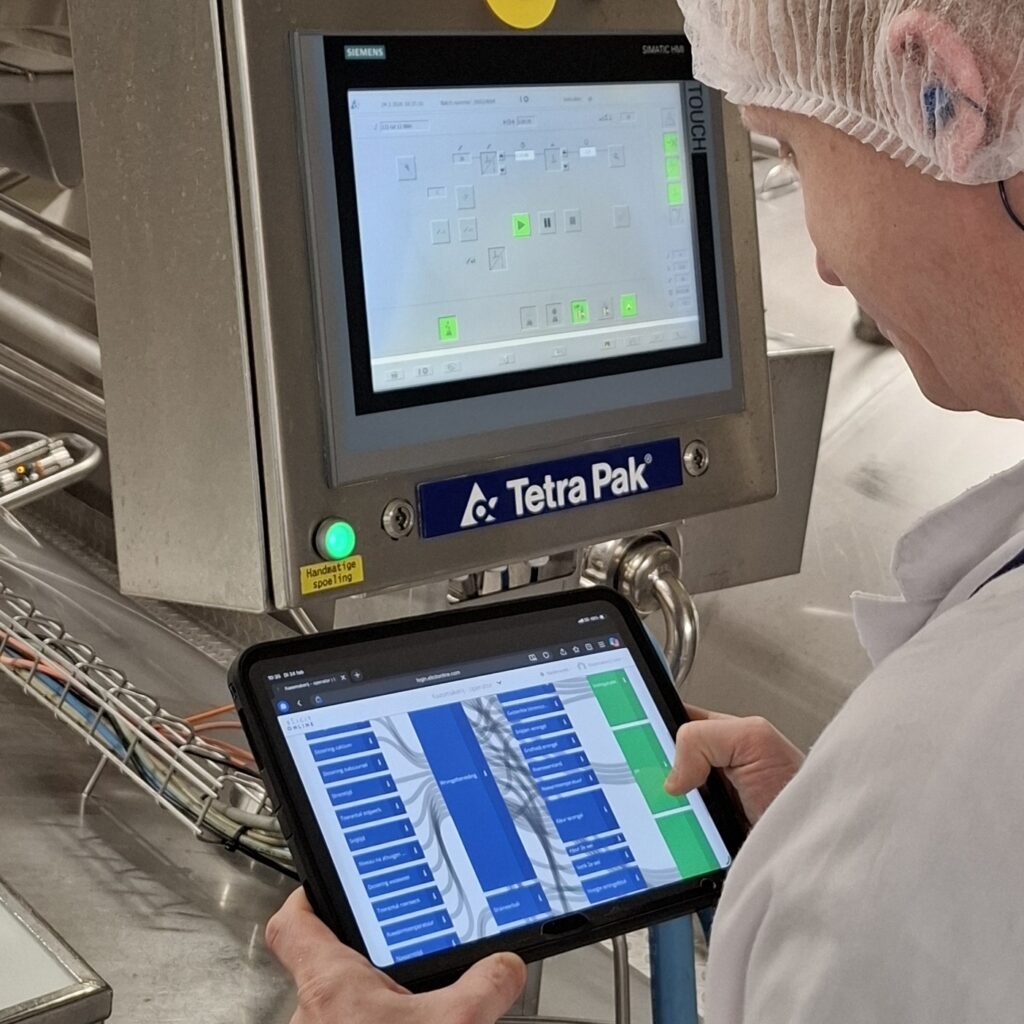
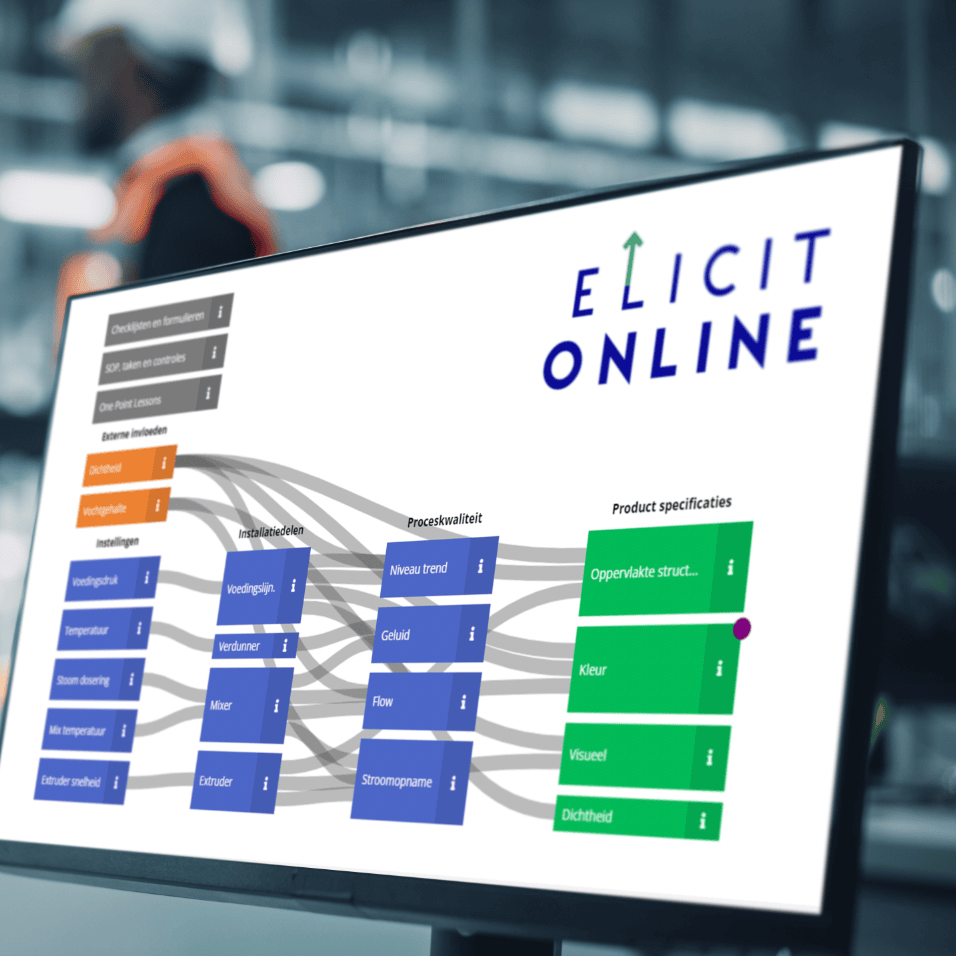
They bundled this knowledge into a single, insightful training system from ELICIT. The result? Operations Manager Berry van de Hoop: “New operators can start working independently sooner. Training operators takes significantly less time. The experienced operators are also very enthusiastic. They can easily add new knowledge. The result: the quality of the fleece has improved.”
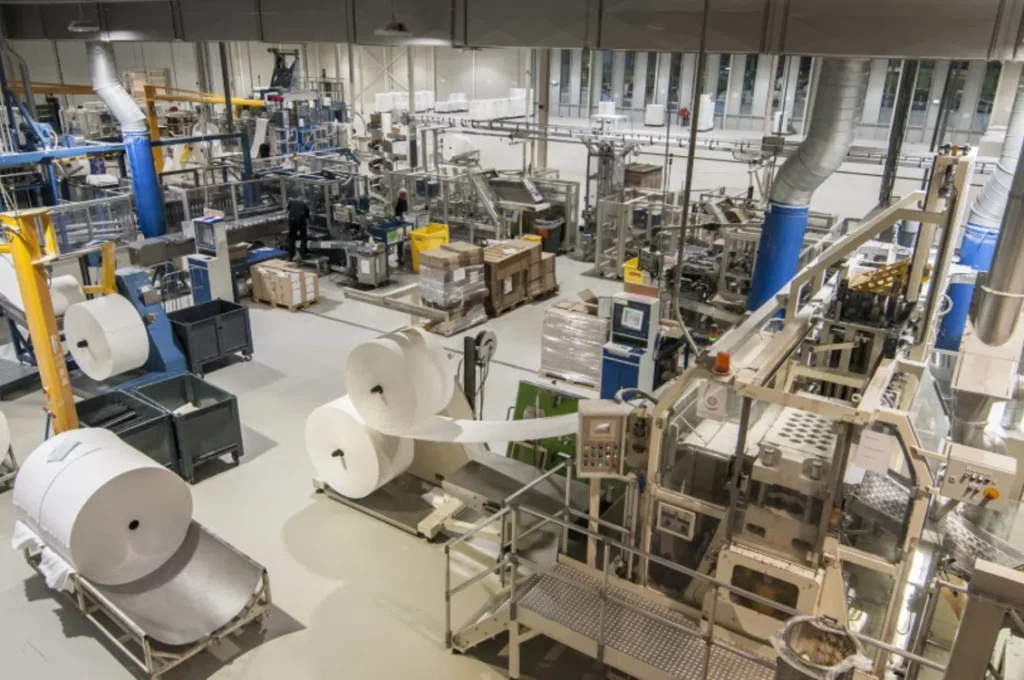
“New operators can start working independently sooner. Training operators takes significantly less time. Experienced operators can easily add new knowledge. The result: the quality of the fleece has improved.”
Barry van der Hoop, Operations Manager Lemoine
How they solved it: Van Merksteijn International
At Van Merksteijn, a manufacturer of fencing and structural steel with 650 employees and a large flexible workforce, much of the experiential knowledge resided in the heads of operators. There was no uniform working method, and operators were dependent on experienced colleagues during malfunctions. They also gathered the knowledge and decision logic of their experienced experts through a few interviews in ELICIT.
The current situation: every operator can manage a process like an experienced expert. From wire drawing to the galvanizing line, and more. More than 150 employees are now working with the system.
Project Leader Bülent Şimşek: “We sometimes say to each other: ELICIT is like Google; you can always find the answer. With ELICIT, we have a knowledge base that is open 24/7. No one has to wait for someone else when there is a malfunction. We notice in every aspect that production is improving. There is much less downtime. Ultimately, that is what it is all about.”
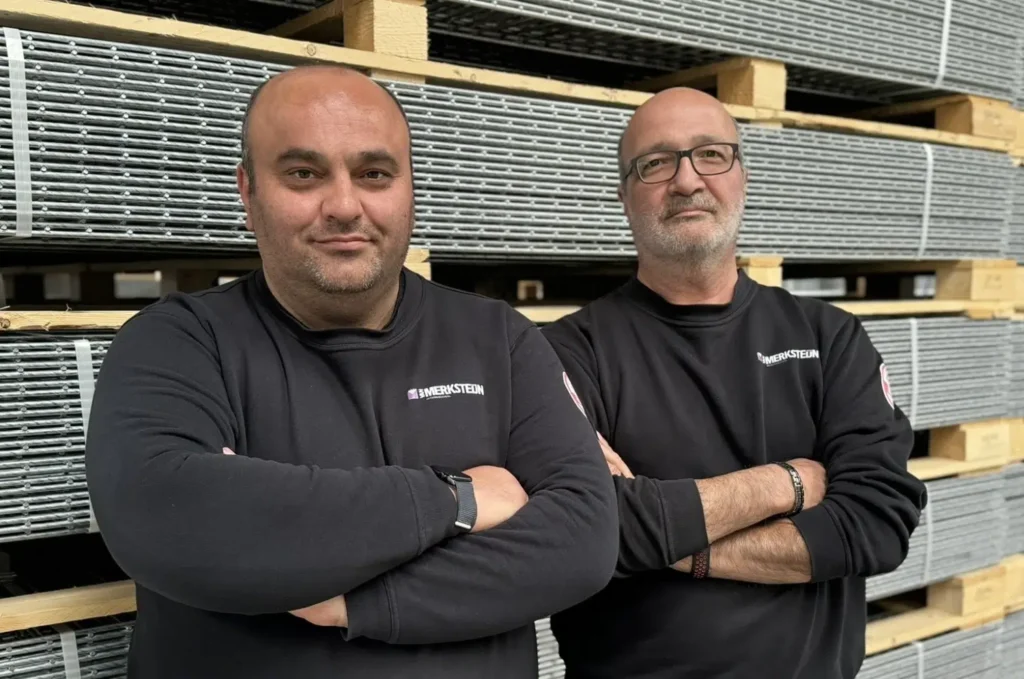
“No one has to wait for someone else when there is a malfunction. We notice in every aspect that production is improving. There is much less downtime. Ultimately, that is what it is all about.”
Bülent Şimşek, Project Leader Van Merksteijn International
What this requires from your experts
“My experts don’t have time for interviews, do they?” we hear you thinking. Understandable. But in practice, it is manageable. Building a training system requires a maximum of 5 interviews, spread over 2-3 months, so that experts can continue production in between. Compare that to the current situation: your best operator constantly gives the same explanation. Every week. To every new operator. For months.
In short: it is about investing that time once. Or continuing to repeat it, time and again.
And you are doing it for a reason. After those interviews, experienced experts are structurally interrupted less often. And they benefit from it themselves as well. Bülent Şimşek from Van Merksteijn: “Even the most experienced colleagues now say: ELICIT is very useful. I can now easily refresh my knowledge.”
Three warning signs you can look out for immediately
Do you recognize this?
- Your new operators are still not independent when deviations occur after months
They know the procedure, but cannot decide when to deviate from it. - Your best operators spend a lot of time giving the same explanation
They are constantly occupied with questions from various newcomers. - You have to turn down growth because you lack training capacity
Every new order means new people, but who will train them?
If you recognize at least one of these, you are already losing valuable time to inefficient knowledge transfer when training operators.
What can you do?
Do you recognize the signs and are you curious about what you can do? Schedule an introductory meeting. We will discuss your situation and whether this approach fits your production process. No obligations, just a consultation.
Form here